
Industrial Wastewater Treatment
GWE provides professional advice and design services for the management of wastewater discharges from “wet industries” including food processors, timber treatment, dairy farms and other industries requiring trade waste permits or resource consents.
Contact us
Management of wastewater from industrial operations has come under greater scrutiny in recent years with increasing regulation in the disposal of treated wastes to sewer, land or water.
We are specialists in reviewing “wet industry” operations with the objective of achieving efficiency gains in the cost of treatment and trade waste charges. We work closely with our clients to understand their business and future production demands and develop workable trade waste management strategies.
Industrial Wastewater – What We Do
Our engineers plan and undertake flow and load surveys and process audits to develop wastewater treatment strategies that include waste minimization and waste stream optimization to provide for efficient and cost-effective treatment plant design. Treatment processes include preliminary treatment, FOG removal, anaerobic and aerobic treatment systems, solids removal and disinfection. We provide our clients with the following services:
- Process and plant design
- Food processing industries
- Farm dairy effluent
- Trade waste management plans
- Resource consents
Process and Plant Design
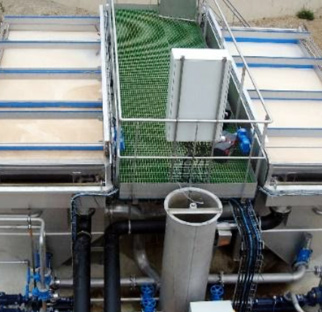
GWE’s team of engineers undertake the plant design and selection of processing equipment for wastewater’s that require treatment prior to discharge to the public sewer or the environment and includes:
- Review of existing treatment processes to identify bottlenecks and opportunities for improvement
- Design and automation of chemical dosing and storage facilities
- Process design for new wastewater plants including pond systems, sequence batch reactors (SBR) and membrane bioreactors (MBR)
- Operational improvements, operational support and training
Food Processing Wastewater
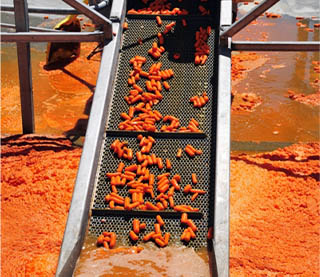
Copious wastewater is generated in food production. Effluent characteristics vary widely and require different processing technologies to meet discharge limits.
Almost all food processing wastes will require physical and biological treatment for BOD removal. Some wastewaters will contain very high BOD and anaerobic as well as aerobic systems will be necessary. Process stages may include,
- At source flow separation
- Screening and Flow equalisation
- Anaerobic/Aerobic treatment
- Solids/Liquid separation
- Sludge storage and digestion
- Sludge dewatering
Farm Dairy Effluent (FDE)
The management of Farm Dairy Effluent (FDE) has received much attention and scrutiny in recent times. This is largely due to concerns with the contamination risk that FDE poses to surface and ground water when treatment systems fail. GWE’s process engineers offer specific services to the farming and dairy industries for the design and safe disposal of farm effluents:
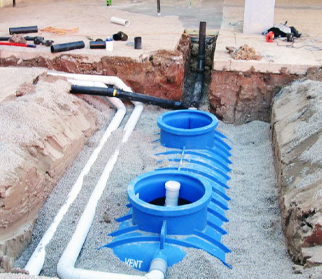
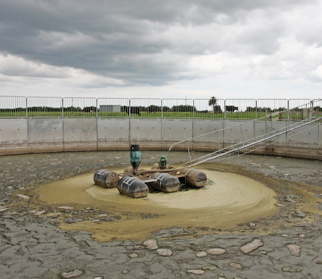
The management of Farm Dairy Effluent (FDE) has received much attention and scrutiny in recent times. This is largely due to concerns with the contamination risk that FDE poses to surface and ground water when treatment systems fail. GWE’s process engineers offer specific services to the farming and dairy industries for the design and safe disposal of farm effluents:
- Investigation and design of FDE treatment and land application systems
- Resource consent applications
- Dairy shed, feedpad and silage storage bin layout to suit the FDE treatment system
- Design of farm water reticulation system.
Trade Waste Management Plans
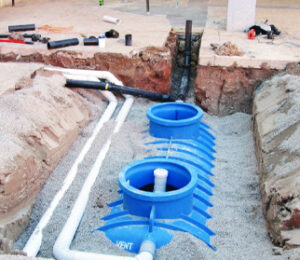
GWE assists our commercial and industrial clients with the preparation of trade waste management plans and permit applications. Our team of engineers can undertake a comprehensive review of your businesses water use and provide advice for managing and reducing your water consumption and trade waste obligations through process optimisation and waste minimisation.
- Assessment of current and future flows and loads
- Waste minimisation and cleaner production initiatives
- Trade waste management plan and emergency spill response
- Pretreatment of trade waste
- Model capacity of the sewer network
- Flow buffering and timing of discharge
Consenting
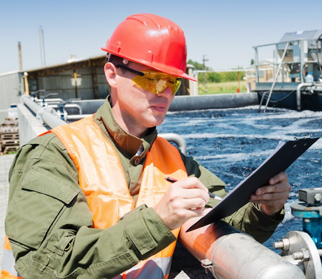
Many rural based, “wet industries” will require a regional resource consent for the discharge of wastewater to the environment. GWE provides its clients with advice on the resource consent requirements and the technical and planning reports – including Assessment of Environmental Effects (AEE) to support resource consent applications for new and renewal of single site wastewater systems.